After 18 years of designing thoughtful, livable spaces, I’ve helped countless clients make their homes truly personal. Along the way, I’ve learned that people often wonder what interior designers see when we walk through the door. The answer might surprise you.
Still, when I tell people what I do for a living, I often get a specific reaction. Business owners, fellow parents, neighbors and friends-of-friends all say some version of the same thing.
“Oh gosh, please don’t judge! I’m so embarrassed for you to see the house! It’s not finished, the furniture doesn’t match, and we’ve just been making do for years.”
Somehow, they assume interior designers see every flaw and silently grade the house. They worry I’m checking whether it feels “put together” and whether their furniture shows good taste. Some even fear each room looks thrown together rather than intentional.
Believe me, that’s not what interior designers see!
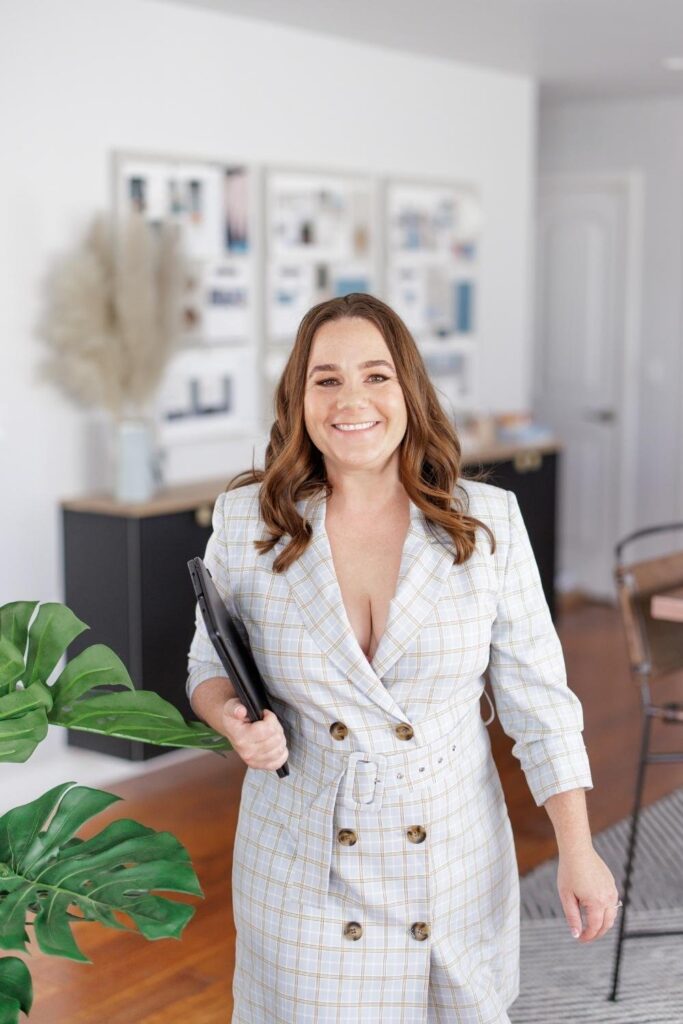
I don’t judge. I help you love where you live.
There are no value judgments here and no “designer-ly biases.” Instead, my goal is simple: to help people make choices that lead to homes they feel deeply connected to.
Why? Because the spaces we live in shape how we feel, function and connect. Good design helps you start the day with clarity and unwind with comfort. Every room should support your lifestyle, reflect your story, and create a sense of ease and belonging.
Home is the place where we feel comfortable, safe and truly ourselves. Yes, my background does help me spot possibilities quickly. After 18 years in this work, I know how to analyze a space, and I notice things most people don’t.
But that skill has nothing to do with being judgy. Trust me, my own home is far from perfect! Things change, trends evolve, and no home stays flawless forever.
First and foremost, I consider myself a problem-solver. My process starts with questions. Then I figure out what’s not working (and why) and create solutions for my clients. Honestly, it’s one of the most satisfying parts of my job.
The short answer
Interior designers don’t walk into your home to judge it. We look for potential: how you use each room, what feels off, what you already love and how light, layout and flow could work harder for you.
So, here’s what interior designers see when they walk into your home
First, I notice the very best qualities of a space: the bones. That might be an original architectural detail or the way natural light fills the room. It could also be a sightline to the outdoors or the flow between rooms. Beyond that, I look at textures, proportions, and how the space supports the way my clients live.
In other words, I immediately see the best features a space has to offer. Then my brain starts imagining how to enhance them. A new light fixture might instantly modernize a dated room. Fresh paint on original trim can quietly elevate a space. Meanwhile, restored beams or brickwork add warmth and personality.
What interior designers see: beauty and possibility
Next, I can tell right away whether a room is working as hard as it could. From there, my mind starts rearranging furniture and rethinking how each area gets used.
I also pay close attention to how people move through a room. Sometimes furniture blocks natural pathways or creates tight, awkward spots. For example, I’ve pulled a sofa away from a doorway to open up the flow. In other homes, I’ve regrouped seating for better conversation or swapped bulky pieces for streamlined ones. Even a small change, like moving a coffee table or adding a rug, can transform how a space feels.
Beyond today, I consider how a family’s needs will change. In a sense, I look into the future of my clients’ lives. After all, a home tells its owners’ story. My job is to make sure the house fits the people in it, both now and as the family grows and ages.
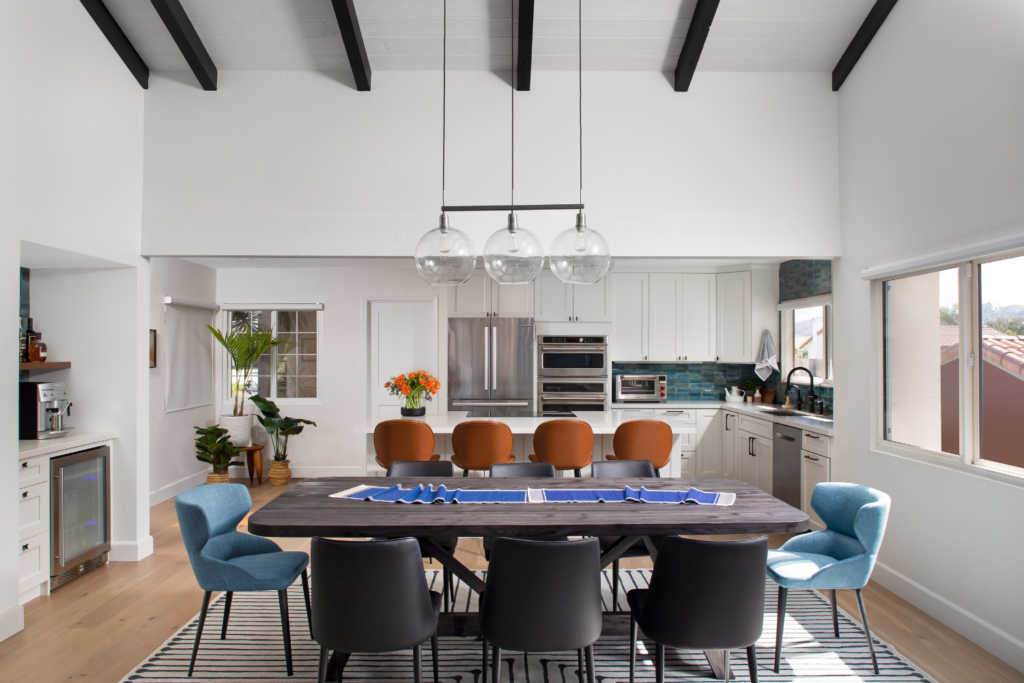
Busy professionals often need spaces that balance working from home with relaxing. Growing families need rooms that evolve from play areas into study zones. Empty nesters, on the other hand, want stylish spaces for both entertaining and quiet retreat. And for clients planning ahead, I design for changing mobility needs without sacrificing beauty.
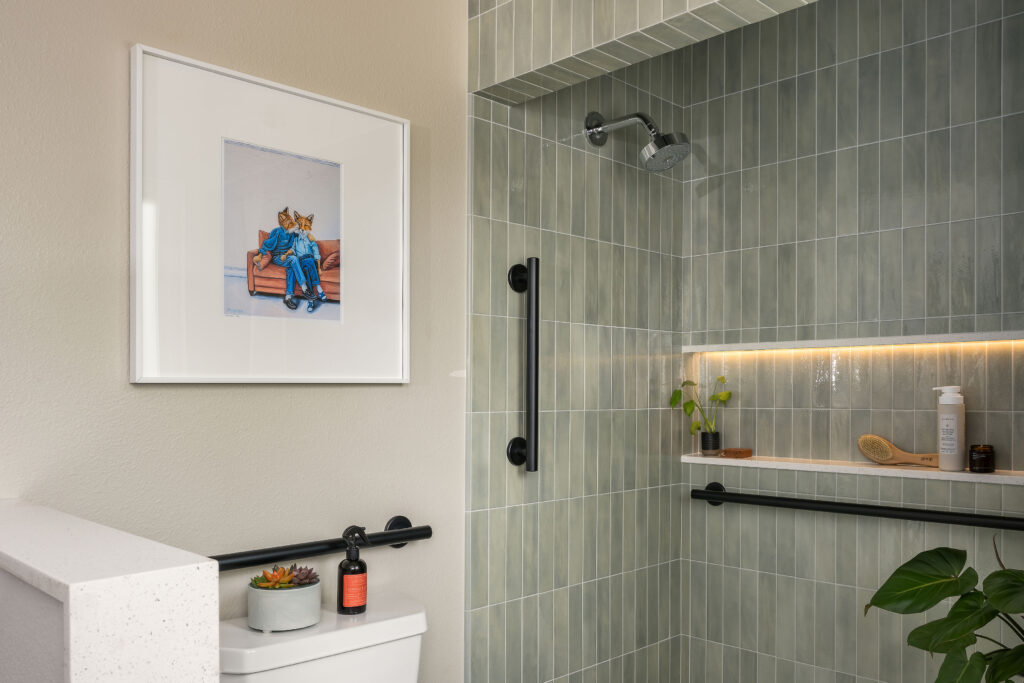
I immediately notice when a space isn’t working for the way you live.
Take a formal dining room the family rarely uses because they prefer casual meals in the kitchen nook. Or a kitchen without enough prep space for someone who loves to cook and entertain. Another common one is a dark home office tucked into a hallway for someone who works remotely all day. Whenever I spot a mismatch like this, I start brainstorming ways to make the space fit how my clients actually live.
I think about how your home could be worth more.
For most people, a home is the biggest asset they’ll ever own, so it deserves care. Unfortunately, many sellers leave money on the table.
Often, that happens when owners put off essential repairs or the style feels dated. In my experience, those issues turn away buyers who don’t want major renovations or ongoing upkeep.
That’s why thoughtful maintenance and updates matter. They protect your investment and add value at the same time. A fresh, functional and inviting home resonates with buyers and truly stands out when it’s time to sell.
So, you see, I will never judge you or your home. Instead, I’ll see possibilities. You can count on me to notice the beauty that’s already there. From there, small changes can lead to big transformations: more use, more function, more value and more joy!
So, never hesitate to invite an interior designer into your home.
A fresh perspective and creative ideas can turn your home into a space that truly reflects your lifestyle. As a result, everyday moments feel more comfortable, enjoyable and inspiring. To learn how we can help, explore our interior design services here.
From challenge to solution
Many homeowners feel embarrassed to invite a designer in before the house is “ready.” Here is what actually happens on that first walk-through.
01 · THE CHALLENGE
Worry about being judged
Unfinished rooms, mismatched furniture and clutter make people hesitate to ask for help, so they live with spaces that don’t work for them.
02 · OUR APPROACH
Listening, not grading
On a first visit we look at how you live, what frustrates you, the pieces you love and the possibilities in your light and layout, with no value judgments.
03 · THE RESULT
A clear, hopeful path forward
You leave with ideas that build on what you have and a plan for a home that supports how you feel, function and connect.
Frequently asked questions
No. A good designer looks for potential and listens to how you live. Unfinished or cluttered rooms are exactly why people bring us in.
How you use each space, natural light, layout and flow, pieces you want to keep, and what isn’t working for you day to day.
There’s no need. Seeing your home as you really live in it helps us design solutions that fit your life.
Keep reading
- What We Look For In An Interior Design Client
- What it’s actually like to work with ASR Design Studio — from first call to final reveal
- Why Hire an Interior Designer: 4 Reasons
- How to Choose a Color Scheme for Your Room: Designer Tips
- Project De Mayo: Before & After
Fall in love with where your life unfolds.
ASR Design Studio is a full-service residential interior design studio based in Escondido and serving San Diego County. We specialize in renovations, new builds, furnishing and thoughtful styling, blending our signature modern coastal style with the way you actually live. We take on a limited number of clients each year so every home gets our full creative attention.

Comments +